
Blown-In Fiberglass Insulation
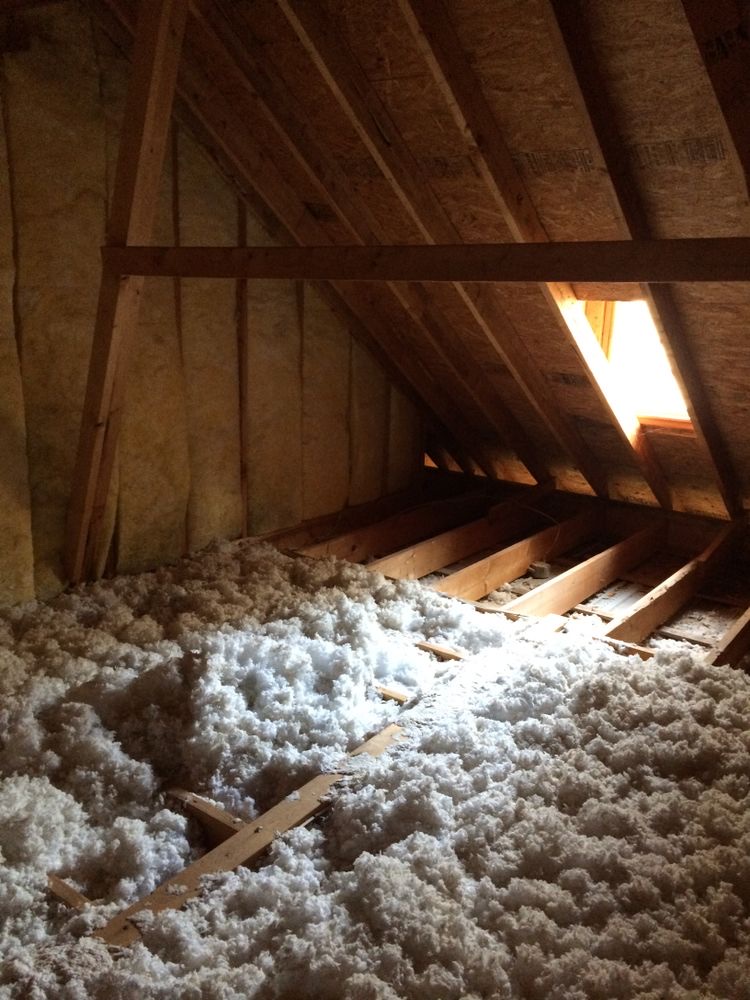
Better Coverage for a More Comfortable Home
Start with what is actually in your attic.
If your rooms heat up quickly or the air conditioner struggles to keep up, your attic is worth a look. Thin or uneven insulation can let more heat reach the rooms below. Blown-in fiberglass adds a layer of loose-fill insulation across the attic floor to slow that heat transfer.
We start by checking what is already there. You get attic photos, a plain explanation of what we find, and a handwritten estimate for the work we recommend. If your existing insulation is in good condition, it may be able to stay.
Phoenix Family Insulation serves homeowners across the Valley. Our own crew handles the installation, with attention to coverage and depth. The goal is to improve the parts of your attic that need it, with no pressure to approve work on the spot.
What a Good Insulation Upgrade Should Do
The right amount of insulation, installed evenly, can help your home hold a more comfortable temperature. Here is what we look for when planning the work:
Even coverage across the attic floor
Added insulation where coverage is thin
Existing insulation kept when it is still useful
Installation handled by our own crew
More insulation is not automatically the answer to every hot room. We inspect first and explain where an insulation upgrade could help.
Blown-In Insulation Questions
What is blown-in fiberglass insulation?
It is loose-fill fiberglass installed with a blowing machine. In an attic, it creates a layer across the floor that slows heat moving between the attic and the rooms below. Coverage and depth both matter.
Will it help keep my home cooler?
If your attic is underinsulated, adding insulation can help reduce heat transfer into your home. We check the existing coverage before recommending an upgrade. Hot rooms can have other causes, so the inspection matters.
How long does attic insulation last?
Insulation does not have an automatic replacement date. Its condition matters more than its age. We look for thin coverage, disturbance, moisture damage and pest activity before recommending that you add or remove material.
Could it lower my cooling bills?
It can help when inadequate insulation is contributing to heat gain. Results depend on your current insulation, home, cooling system and energy use. We explain the expected benefit for your attic rather than promise a fixed percentage of savings.
Do I need to prepare for installation?
We will explain the attic access we need and what to expect before the job. Tell us about anything that could affect access or scheduling. Our crew handles the material and equipment, so you do not need to prepare or spread the insulation yourself.
Who handles the installation?
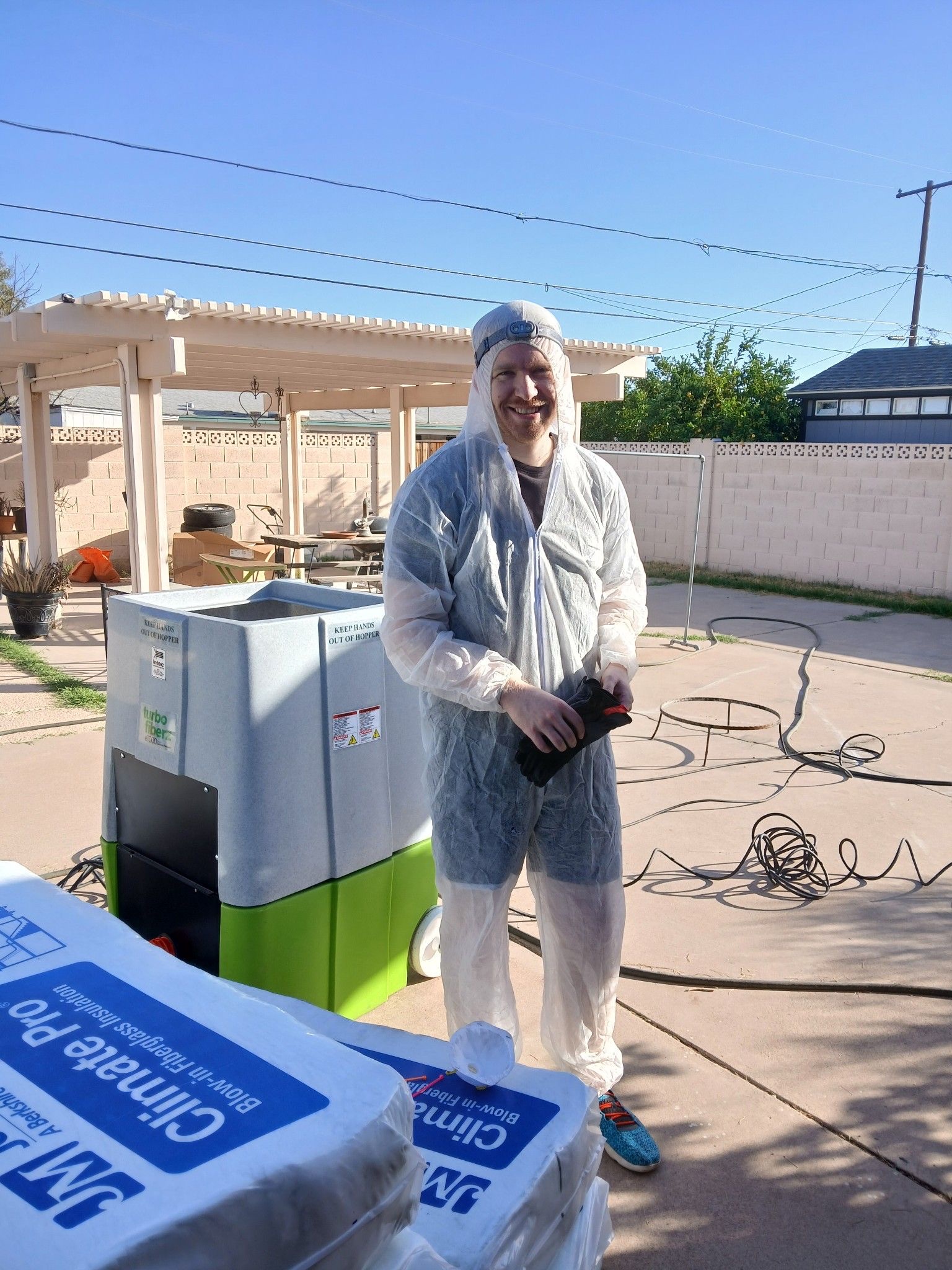
Our own crew handles the work. We use blowing equipment to distribute the fiberglass across the areas included in your estimate, with attention to even coverage and the specified depth. We will discuss the scope and timing before installation.
How much insulation does my attic need?
R-value describes resistance to heat flow. The amount to add depends on the material already in your attic, its condition and the target for your home. We inspect first and explain the recommended depth and R-value in your estimate.
Does insulation also seal air leaks?
No. Fiberglass slows heat transfer, but it is not an air barrier. Gaps that let air move through the ceiling need separate attention. Adding insulation alone does not seal those openings.
Can you add insulation over the existing material?
Often, yes. Existing insulation may be able to stay if it is dry, in good condition and suitable for the planned work. We will show you what we find and explain any reason removal is recommended.
How do I know if I need more insulation?
Uneven room temperatures or high cooling bills are reasons to investigate, but they do not prove you need more insulation. A free attic inspection lets us check the coverage, take photos and give you a recommendation based on what is actually there.
How do I book a free attic inspection?
Call (602) 536-8798 or use our contact form. We will arrange an inspection and walk you through the findings. You get clear recommendations and a handwritten estimate, with time to decide.
Find Out Where Your Attic Stands
Let us check your attic before you commit to an upgrade. We will show you what we find, explain your options, and give you a handwritten estimate. You decide what happens next.