
Batt Insulation
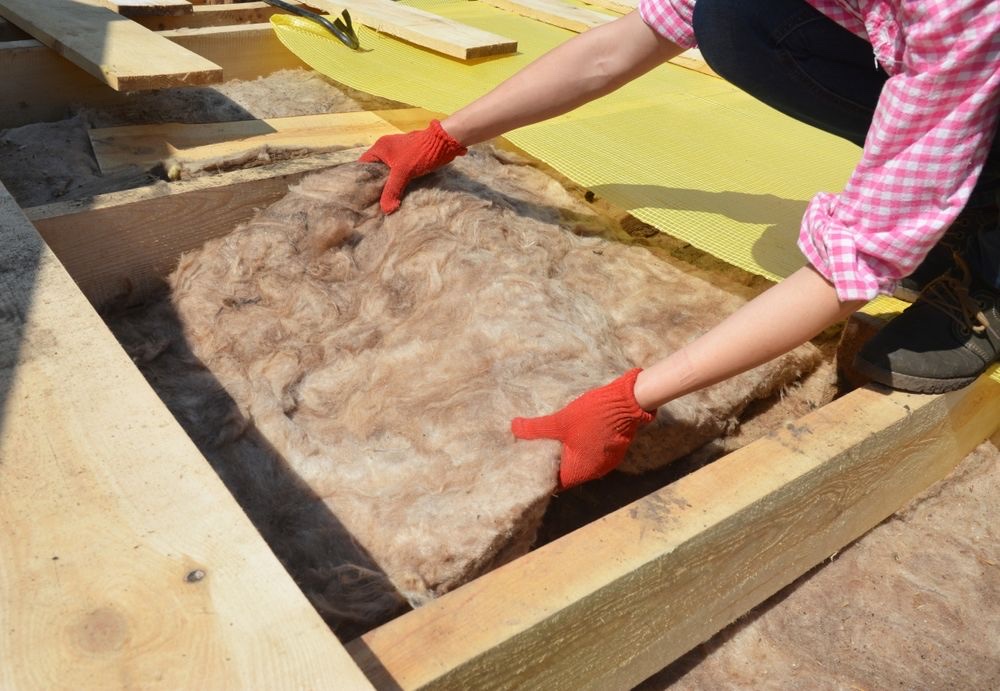
Good Insulation Starts With the Right Fit
Careful installation matters as much as the material.
Batt insulation comes in sections that fit between framing in walls, ceilings and floors. It can be a practical choice where those spaces are accessible, but the fit matters. Gaps, missed areas and compressed material can limit how well it performs.
We look at the space before recommending a product. In an open attic, blown-in insulation may be a better fit; in an accessible framed cavity, batts may make more sense. We will explain the choice for your project instead of treating every home the same.
Phoenix Family Insulation serves homeowners across the Valley with our own installation crew. You get a clear scope of work and a handwritten estimate, so you know what is included before deciding to move forward.
Where the Details Make a Difference
Installing batts takes more than laying material between the framing. Our recommendation accounts for the space, the existing insulation and the details that affect coverage.
Batts matched to the space being insulated
Careful fitting around framing and obstacles
Coverage without gaps or unnecessary compression
Existing insulation assessed before replacement
Installation handled by our own crew
Tell us which part of your home you want to improve. We will explain whether batt insulation is a practical option and what the work would involve.
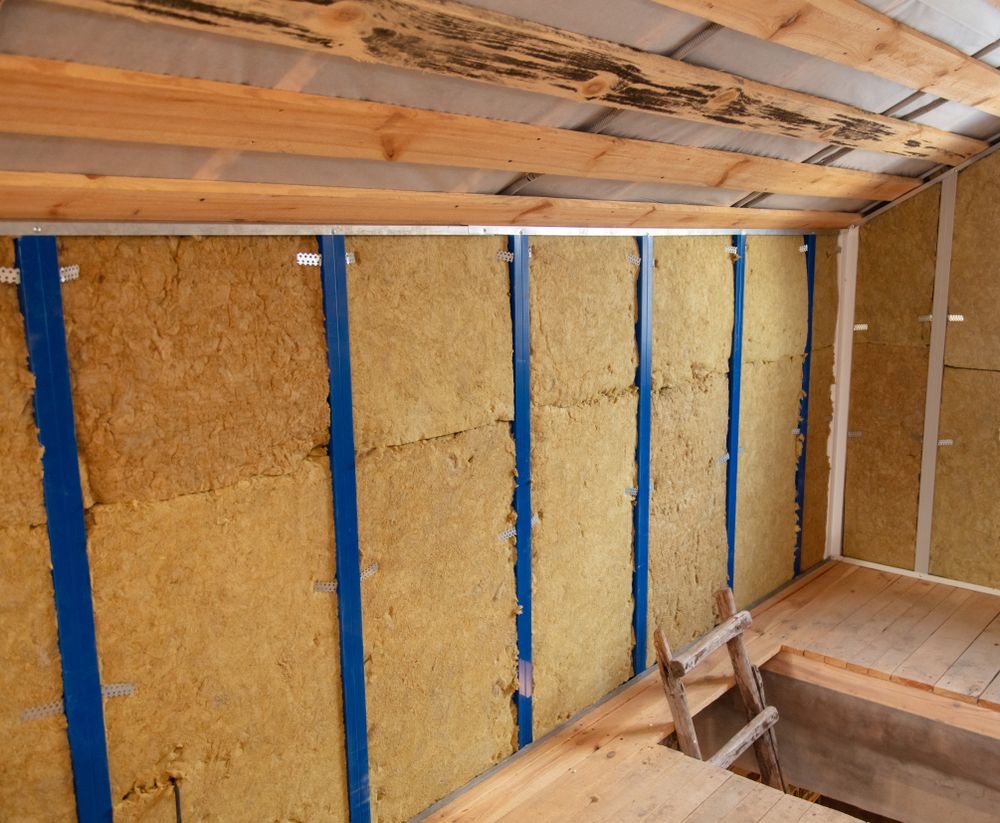
Batt Insulation Questions
What is batt insulation?
Batts are pre-cut sections of insulation designed to fit between framing. They are commonly made from fiberglass or mineral wool. We explain the material, thickness and placement proposed for your project before installation.
When are batts a good choice?
Batts can work well in accessible framed spaces where the material can be fitted properly. The location, framing and access all matter. We look at those details before recommending batts or another insulation option.
Where can batt insulation be installed?
Common locations include accessible wall, ceiling and floor cavities. Finished surfaces and tight spaces may limit access. Tell us about the area you want to insulate, and we will explain what installation would require.
Can batt insulation help with comfort and cooling costs?
Properly fitted batts slow heat flow through the area they insulate. That can help with comfort and energy use when inadequate insulation is part of the problem. The result depends on your home and the condition of the existing insulation.
Who handles the installation?
Our own crew does the work. We will explain the material, access needs and scope before the job. The aim is careful placement that suits the space, with clear expectations about what is included.
What R-value do I need?
The right R-value depends on where the insulation is going, the space available and the requirements for the project. We will explain the recommended product and thickness. Compressing extra material into a small cavity is not a substitute for choosing the right fit.
Why does the fit matter so much?
Gaps leave areas without the intended insulation coverage. Compressing or poorly fitting batts can also reduce their performance. Careful placement around framing and obstacles helps the material do the job it was selected for.
Can batts work with other insulation?
Yes, when the materials and layout are appropriate. For example, a home may use batts in framed spaces and blown-in insulation across an attic floor. We assess the existing setup before recommending that you add or layer anything.
Do old batts always need replacing?
No. Age alone is not a reason to remove them. We look at their condition, fit and coverage. Material that is dry, undamaged and still doing its job may be able to stay.
Will batts soundproof a room?
Batts can help reduce some sound transfer through a wall or floor assembly, but they do not make a room soundproof. Results depend on the whole construction. Let us know if noise is a priority so we can discuss what insulation can realistically contribute.
Are batts better than blown-in insulation?
They suit different spaces. Batts fit accessible framing cavities, while blown-in fiberglass can provide coverage across an open attic floor. We recommend an approach based on the space and the work needed, rather than call one material the best for every home.
How do I request a batt insulation estimate?
Call (602) 536-8798 or send a message through our contact form. Tell us which area you want to insulate. We will discuss the project and provide clear recommendations and a handwritten estimate.
Find the Right Insulation for Your Project
Get advice based on the space you want to insulate. Contact us for an inspection, clear recommendations and a handwritten estimate. We will help you compare your options without pressure to decide right away.